Isla de la Cité: la cuna de París (es-fr)

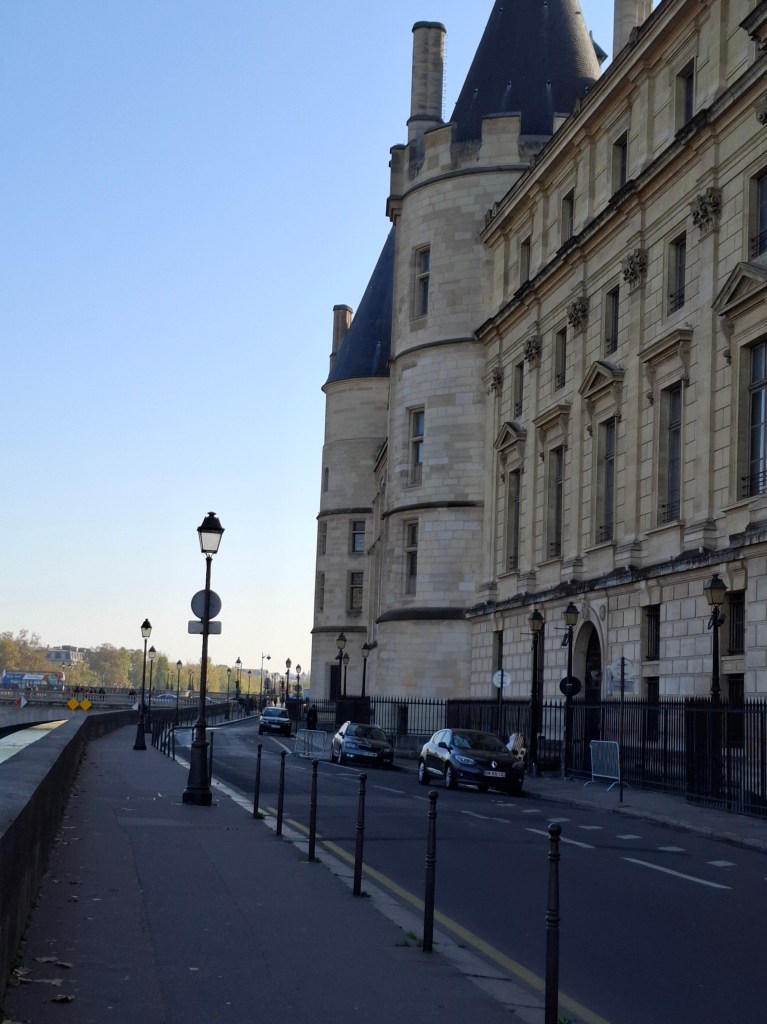
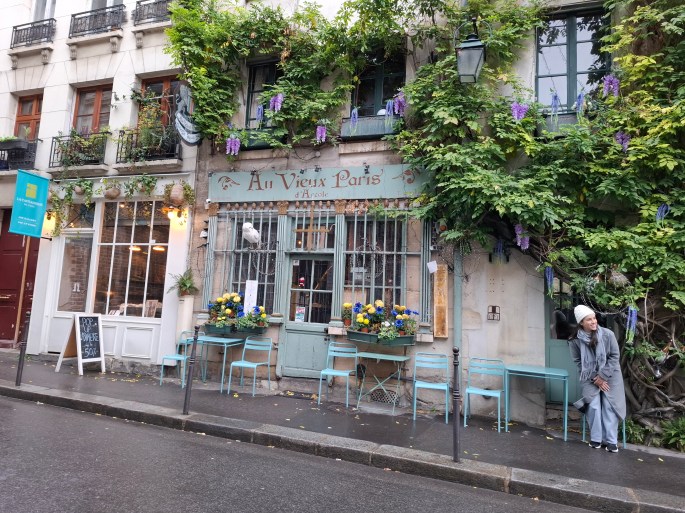
En esta hermosa isla con forma de cuna, en medio del río Sena, se instaló la tribu gala Parisii en el 250 antes de Cristo. Se denominaba “cité” porque tenía los límites fortificados. Era una región rica en pescado y de fácil acceso a ambos lados del río (hoy rive droite y gauche) por lo angosto que es el Sena allí. En ese momento la isla tenía una superficie de 9 hectáreas, hoy son 22,5 hectáreas y era una zona pantanosa e inundable, pero en esa época esa pequeña isla era París entero.

En el año 52 AC, Julio César vence al líder galo Vercingétorix y conquista la Galia, pasando esta isla a llamarse Lutece. Los galos siguieron habitando la isla y los romanos se instalaron en la orilla izquierda donde comenzaron a construir calles rectas y foros.

Las invasiones bárbaras obligaron a los habitantes de Lutecia a refugiarse en la Cité ya que desde allí era más fácil defenderse.

Es en este momento donde aparece un personaje importante para la historia de la Cité: Santa Genoveva. Esta monja proveniente de Nanterre permanece en la isla cuando Atila, el rey de los bárbaros se dirige hacia allí. Genoveva convence a los hombres de no huir, de resistir rezando a Dios. Y ocurrió el milagro, Atila abandonó París. https://youtu.be/9p2PYh8eWvo?si=JFvX6EuAcD40ynsy

Cuando las invasiones bárbaras finalizan comienza una guerra civil entre los partidarios de Roma y los partidarios de los Francos, quienes eran liderados por Childeric. Este gana terreno en la Galia del Norte y sitia la Ciré durante diez años. Cuando muere Childeric su hijo Clovis negocia con Genoveva, ella le promete aliarse y ayudarlos con la condición que se convierta al cristianismo. Clovis así lo hace, y luego de su bautismo en  Reims entra en París, y la nombra capital del reino.
Santa Genoveva hoy es patrona de París y es muy venerada en toda Francia.

En esa época en la isla había templos romanos que fueron rápidamente reemplazados por templos cristianos, así se construyeron varias iglesias y dos monasterios femeninos.

En el 877 se erigieron dos torres, le Petit y le Grand Chatelet para proteger el acceso a los puentes.

En 1112 el rey Luis VI se instaló en el Palacio de la Cité, dentro del cual tiempo después el rey Luis IX mandó construir la Sainte Chapelle para albergar la Corona de Espina de Cristo y las Reliquias de la Pasión.

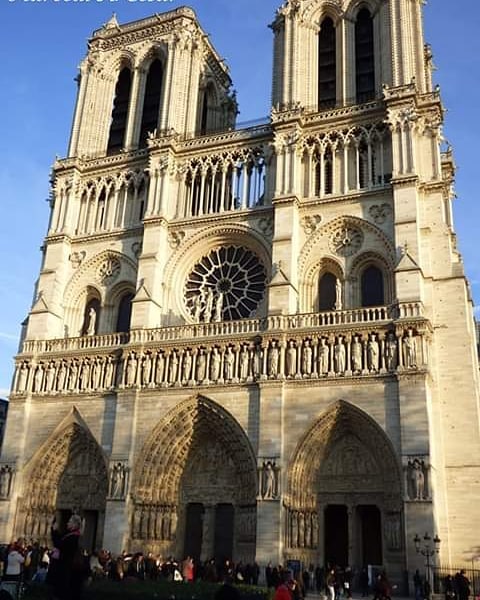
Con el correr de los años se construyeron casas, puentes, el Hotel Dieu que es el hospital más viejo de París, los Tribunales de Comercio, la Prefectura de Policía y por supuesto la maravillosa Catedral de Notre Dame.https://youtu.be/WOmtgEPa90Q?si=B-FX2eDLtPQlSVUV

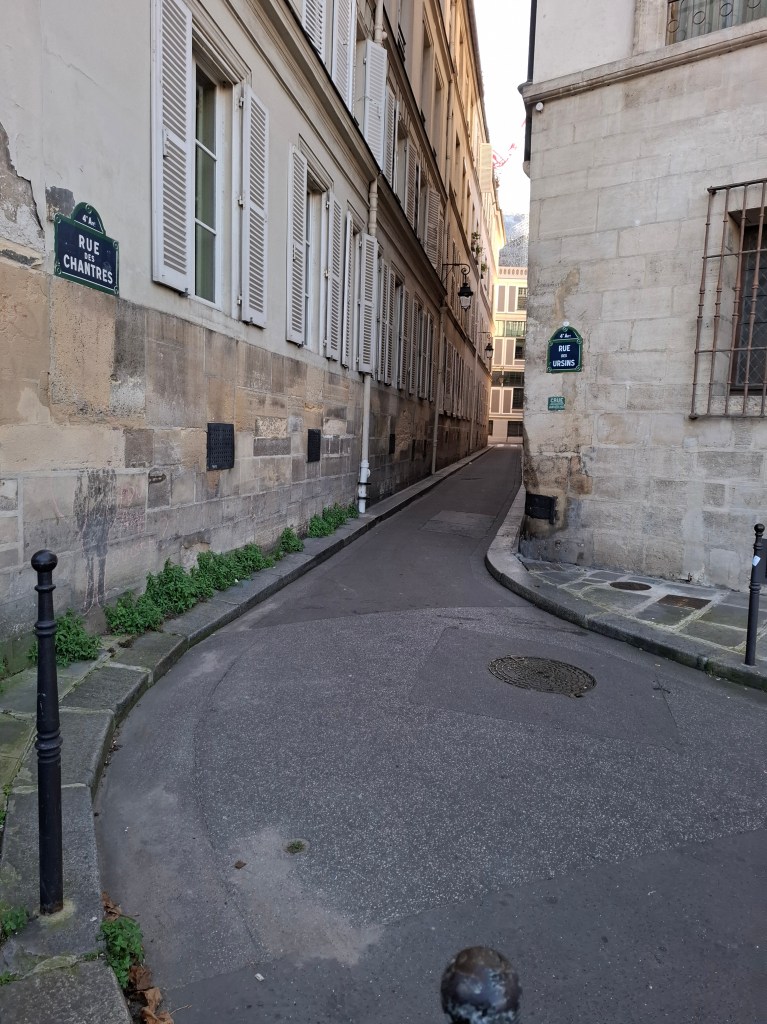
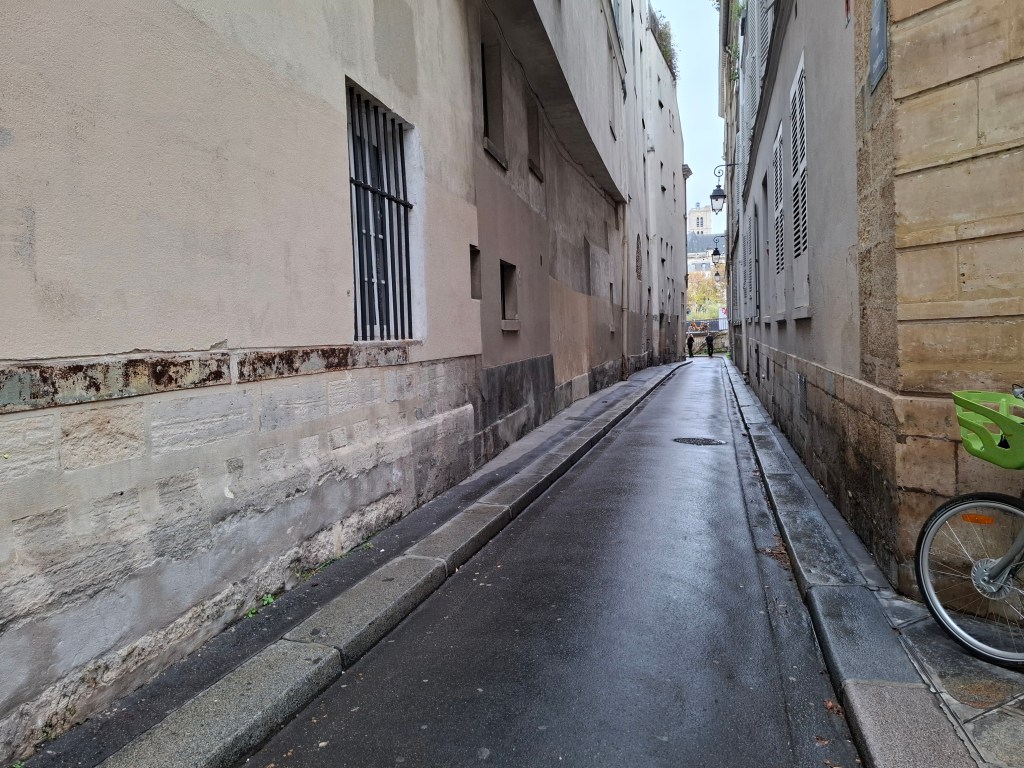
Y aunque poco queda en la Cité de esas calles insalubres y retorcidas de la Edad Media, todavía se respira un aire misterioso en esta isla que nos transporta en el tiempo
L’Ile de la Cité: le berceau de Paris

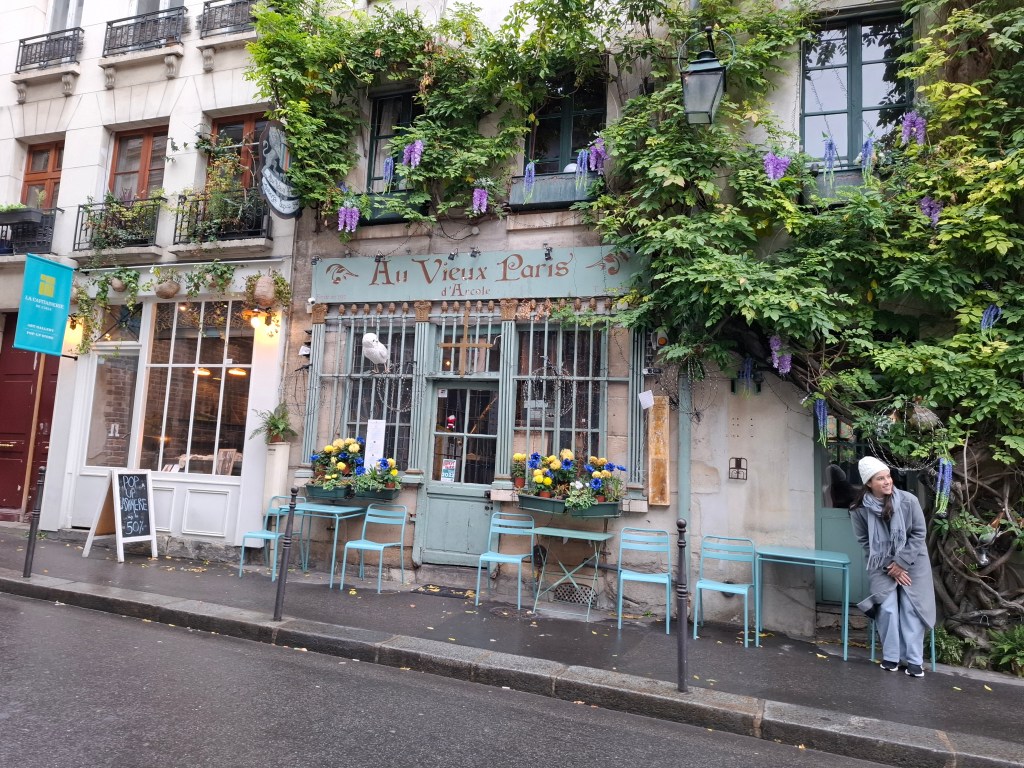
La tribu gauloise des Parisii s’est installée sur cette magnifique île en forme de berceau, située au milieu de la Seine, vers 250 av. J.-C. On l’appelait la « Cité » car elle était entourée de fortifications. Le site regorgeait de poissons et était facilement accessible depuis les deux rives — connues aujourd’hui sous les noms de Rive droite et Rive gauche — en raison de l’étroitesse de la Seine à cet endroit. À l’époque, l’île couvrait une superficie de 9 hectares (contre 22,5 hectares aujourd’hui) et constituait une zone marécageuse sujette aux inondations ; pourtant, elle représentait alors la totalité de Paris.


En 52 av. J.-C., Jules César vainquit le chef gaulois Vercingétorix et conquit la Gaule ; l’île prit alors le nom de Lutèce. Les Gaulois continuèrent à y habiter, tandis que les Romains s’installèrent sur la Rive gauche, où ils entreprirent de construire des rues rectilignes et des forums.
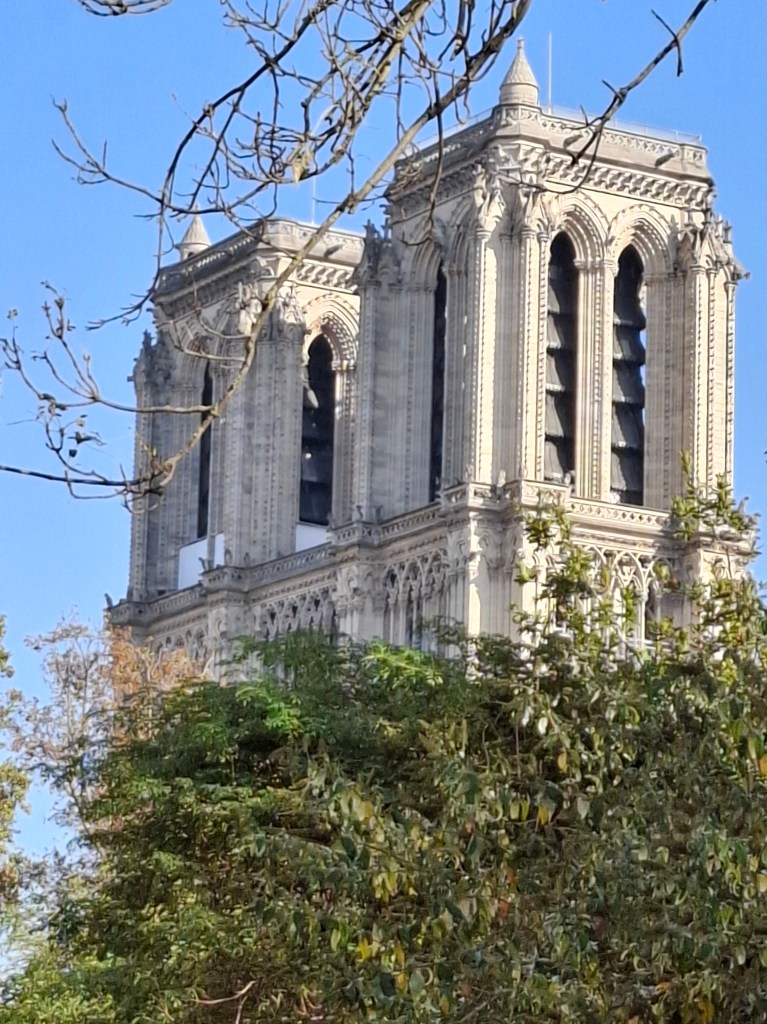

Les invasions barbares contraignirent les habitants de Lutèce à se réfugier dans la Cité, plus facile à défendre.
C’est à cette époque qu’émergea une figure clé de l’histoire de la Cité : sainte Geneviève. Religieuse originaire de Nanterre, elle resta sur l’île alors qu’Attila, le roi barbare, marchait sur elle. Geneviève persuada les hommes de ne pas fuir, mais de tenir bon et de prier Dieu. Un miracle se produisit : Attila renonça à s’emparer de Paris.


Une fois les invasions barbares terminées, une guerre civile éclata entre les partisans de Rome et ceux des Francs, menés par Childéric. Childéric gagna du terrain dans le nord de la Gaule et assiégea la Cité pendant dix ans. À la mort de Childéric, son fils Clovis négocia avec Geneviève ; elle promit de s’allier à eux et de les soutenir à condition qu’il se convertisse au christianisme. Clovis accepta et, après son baptême à Reims, il entra dans Paris et en fit la capitale du royaume.

Aujourd’hui, sainte Geneviève est la patronne de Paris et elle est profondément vénérée dans toute la France.

À cette époque, l’île abritait des temples romains qui furent rapidement remplacés par des édifices chrétiens ; plusieurs églises et deux couvents furent ainsi construits.

En 877, deux tours – le Petit Châtelet et le Grand Châtelet – furent érigées pour garder les accès aux ponts.

En 1112, le roi Louis VI s’installa au Palais de la Cité ; plus tard, le roi Louis IX commanda la construction de la Sainte-Chapelle au sein du complexe pour abriter la Couronne d’épines du Christ et les reliques de la Passion.

Au fil des siècles, des maisons, des ponts, l’Hôtel-Dieu (le plus ancien hôpital de Paris), les tribunaux de commerce, la préfecture de police et – bien sûr – la magnifique cathédrale Notre-Dame furent construits.

Et bien que peu de choses subsistent sur l’Île de la Cité de ces rues médiévales insalubres et sinueuses, une atmosphère mystérieuse plane encore sur l’île, nous transportant dans le passé.
Ile de la Cité: the cradle of Paris

The Gallic tribe known as the Parisii settled on this beautiful, cradle-shaped island in the middle of the Seine River around 250 BC.

It was called the «Cité» because it was enclosed by fortified boundaries. The area was rich in fish and easily accessible from both riverbanks—known today as the Right Bank and Left Bank—due to the narrowness of the Seine at that point. At the time, the island covered an area of ​​9 hectares (compared to 22.5 hectares today) and was a marshy, flood-prone zone; yet, in that era, this small island constituted the entirety of Paris. Video https://youtu.be/9p2PYh8eWvo?si=JwxGtgElJ6nvGbop


In 52 BC, Julius Caesar defeated the Gallic leader Vercingetorix and conquered Gaul, at which point the island came to be known as Lutetia. The Gauls continued to inhabit the island, while the Romans settled on the Left Bank, where they began constructing straight streets and forums.


Barbarian invasions forced the inhabitants of Lutetia to take refuge within the Cité, as it was easier to defend from that location.
It was at this time that a key figure in the history of the Cité emerged: Saint Genevieve. A nun from Nanterre, she remained on the island when Attila, the barbarian king, advanced toward it. Genevieve persuaded the men not to flee but to stand their ground and pray to God. A miracle occurred: Attila abandoned Paris.


Once the barbarian invasions ended, a civil war broke out between supporters of Rome and supporters of the Franks, who were led by Childeric. Childeric gained ground in Northern Gaul and laid siege to the Cité for ten years.

Upon Childeric’s death, his son Clovis negotiated with Genevieve; she promised to ally with and assist them on the condition that he convert to Christianity. Clovis agreed, and following his baptism in Reims, he entered Paris and designated it the capital of the kingdom.https://youtu.be/WOmtgEPa90Q?si=fAUdSXLIgbpD3RDr

Today, Saint Genevieve is the patron saint of Paris and is deeply venerated throughout France.


At that time, the island was home to Roman temples that were quickly replaced by Christian ones; several churches and two convents were built as a result.


In 877, two towers—the Petit Châtelet and the Grand Châtelet—were erected to guard the approaches to the bridges.
In 1112, King Louis VI took up residence in the Palais de la Cité; later, King Louis IX commissioned the construction of the Sainte-Chapelle within the complex to house Christ’s Crown of Thorns and the Relics of the Passion.


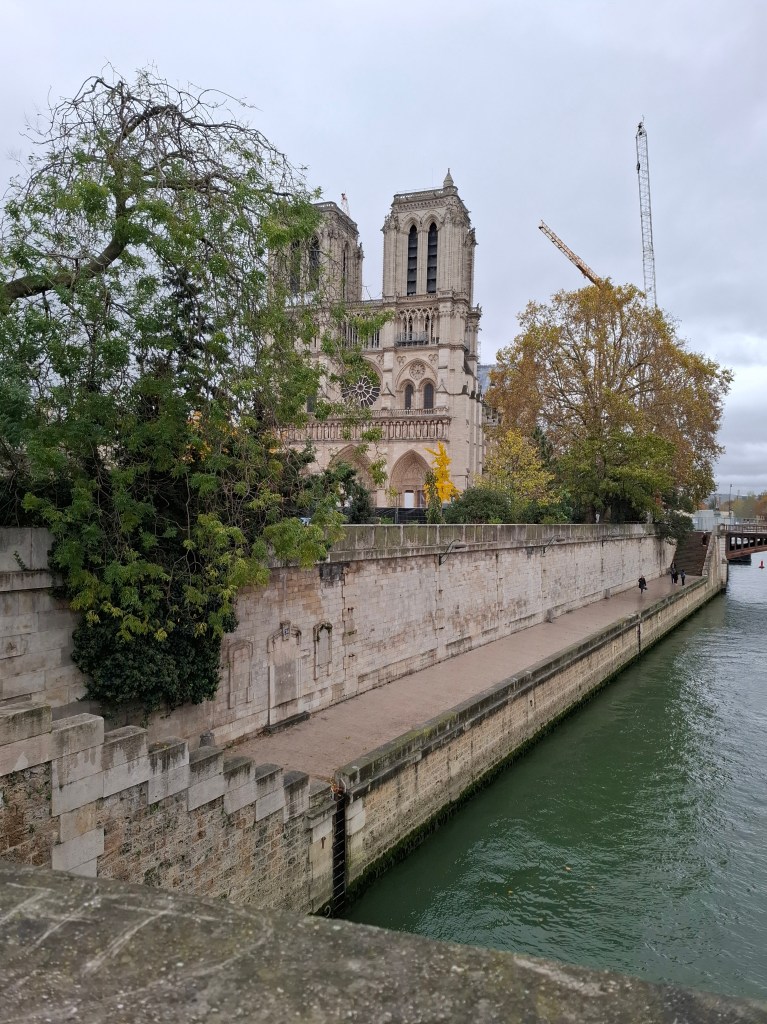
Over the years, houses, bridges, the Hôtel-Dieu (Paris’s oldest hospital), the Commercial Courts, the Police Prefecture, and—of course—the magnificent Notre-Dame Cathedral were built.


And although little remains on the Île de la Cité of those unsanitary, winding medieval streets, a mysterious atmosphere still lingers on the island, transporting us back in time.


Top 5 places to see in Paris

On your first trip to Paris, what should you see? What places are essential to see? What things can’t you miss?
Here are the top 5 places that you must see “yes or yes”.

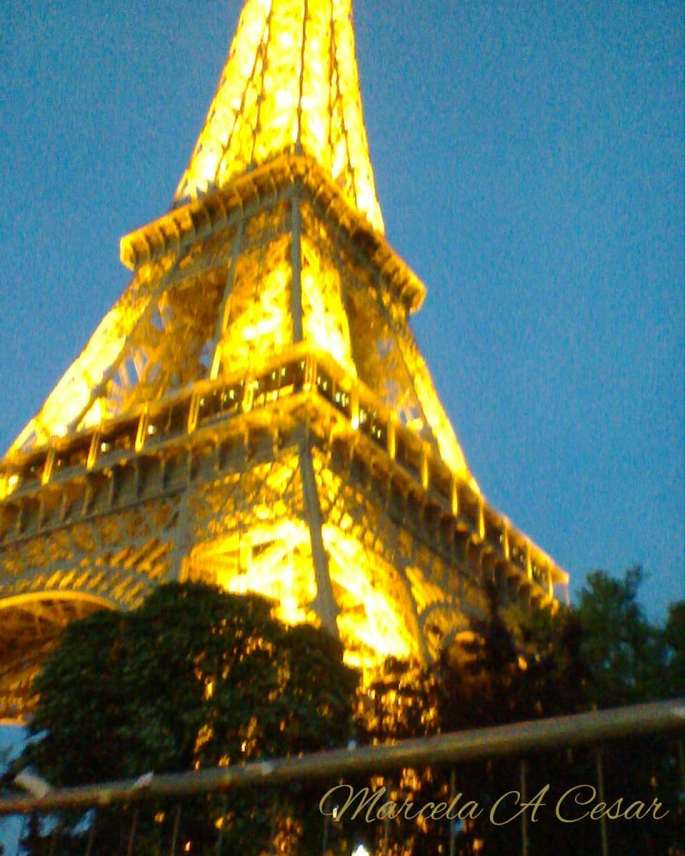
Number 1: THE EIFFEL TOWER
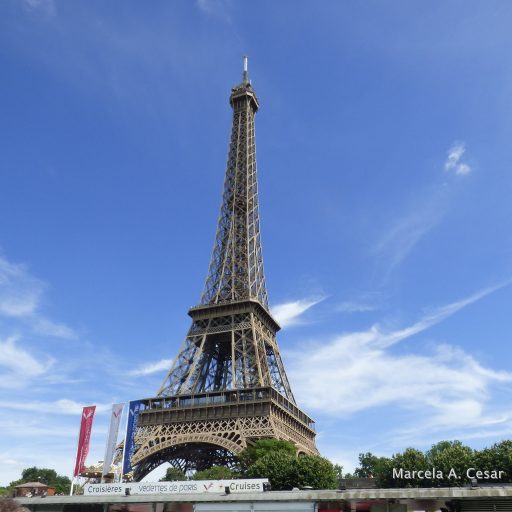
Of course, you do, which is number one. Who has not dreamed of arriving in Paris and running towards the Eiffel Tower no matter how far the hotel is from there? Who doesn’t want a photo next to the Iron Lady? Who wouldn’t like to see its thousands of lights shine? Well, the first place to visit in Paris is the Eiffel Tower.
Built in 1889 for the Universal Exposition by Gustave Eiffel, it was going to be destroyed later, but Eiffel gave it a scientific vocation that made the tower remain in place and that we can still enjoy it today. It is used as a gigantic support antenna for wireless transmissions. Its height is 330 meters, initial 312 meters, and 18 meters of antenna.
From the beginning, it was the object of discord and fascination. You love her or you hate her. It became a symbol of modernity and avant-garde and its image will be associated with Paris forever.

Number 2: THE ARC DE TRIUMPH
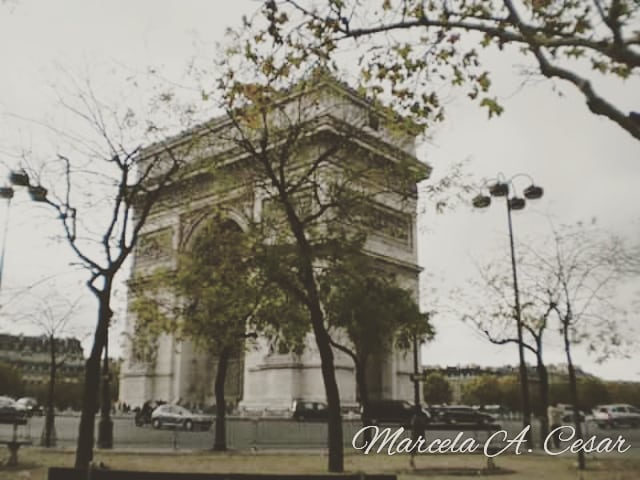
After seeing the tower, another must-see is the Arc de Triomphe. Installed in the Place de l’Etoile-Charles de Gaulle, or Plaza de la Estrella since from the sky the twelve avenues that converge on this monument form a star.
Napoleon ordered its construction in 1806 to celebrate the victories of the French army under his command. It was finished building thirty years later. It is fifty meters high, forty-five meters wide, and twenty-two meters deep.
The arch witnessed many historical moments such as the military parades of the two world wars.

Number 3: THE CATHEDRAL OF NOTRE DAME DE PARIS
From Victor Hugo’s famous book «Notre Dame de Paris» to the terrible fire on April 15, 2019, Notre Dame was always in everyone’s thoughts.
Built between 1163 and 1245 on the Ile de la Cité (a beautiful island in the middle of the Seine), this cathedral is a Gothic jewel with its rosettes and sixty-nine-meter-high towers.
The protagonist of many important events such as the beatification of Joan of Arc, the patron saint of France, and the coronation of Napoléon Bonaparte, and now, again it is the great protagonist from its opening after long years of reconstruction; reconstruction that restored its splendor.

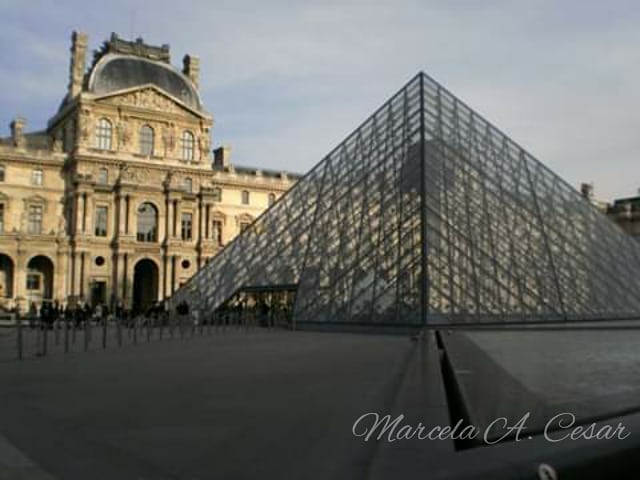
Number 4: THE LOUVRE MUSEUM
And near Notre Dame, on the right bank of the Seine River, we find the Louvre Museum and its striking glass pyramid from 1989.
This palace, a former royal residence, turned into a museum, opened its doors in 1793, and in its one hundred and sixty thousand square meters it houses the most famous works of art of all time such as the Venus de Milo, the Winged Victory of Samothrace and the Mona Lisa of Leonardo da Vinci. These and all the other magnificent works make the Louvre one of the most important museums in the world.

Number 5: THE BASILICA OF THE SACRE COEUR IN MONTMARTRE
And to finish this top 5 of what you must see the first time you visit Paris, we go to the bohemian neighborhood of Montmartre and on the Mount of Martyrs where Saint Denis, the first bishop of Paris, was beheaded almost two hundred meters from the height we come across the majestic Basilica of the Sacred Heart. With its white stones and neo-Byzantine architecture, the construction of this church began in 1875 and continued for forty years. The basilica is eighty-five meters long and thirty-five meters wide. Its bell tower contains the Savoyarde, the largest bell in France, and to crown such beautiful architecture we can delight in Paris at our feet.

So far the top 5 essentials for a first glimpse of the city of light.
We’ll see more…
À bientôt!

Jardin de las Tulerías

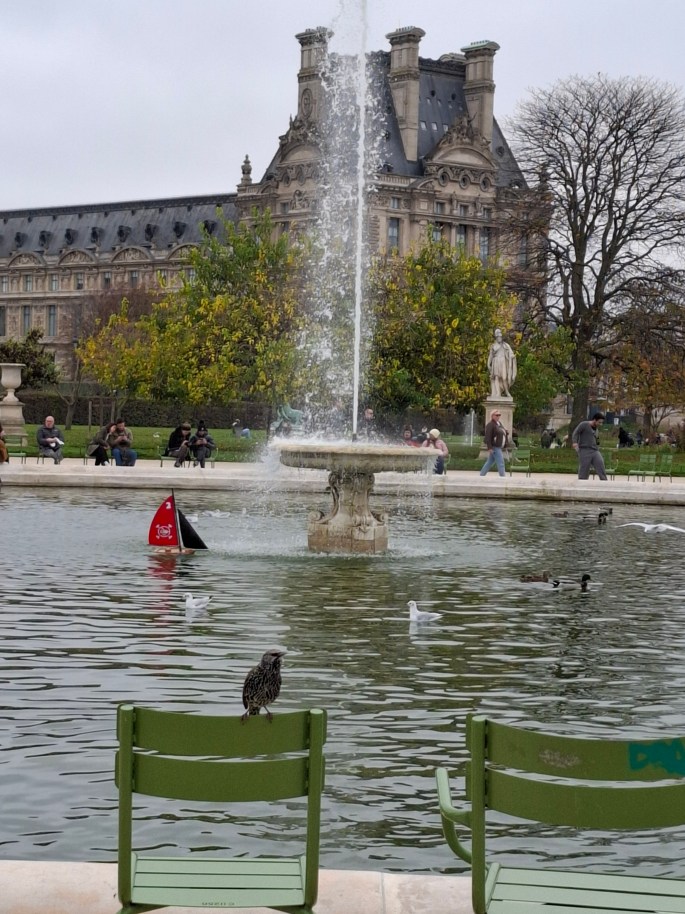
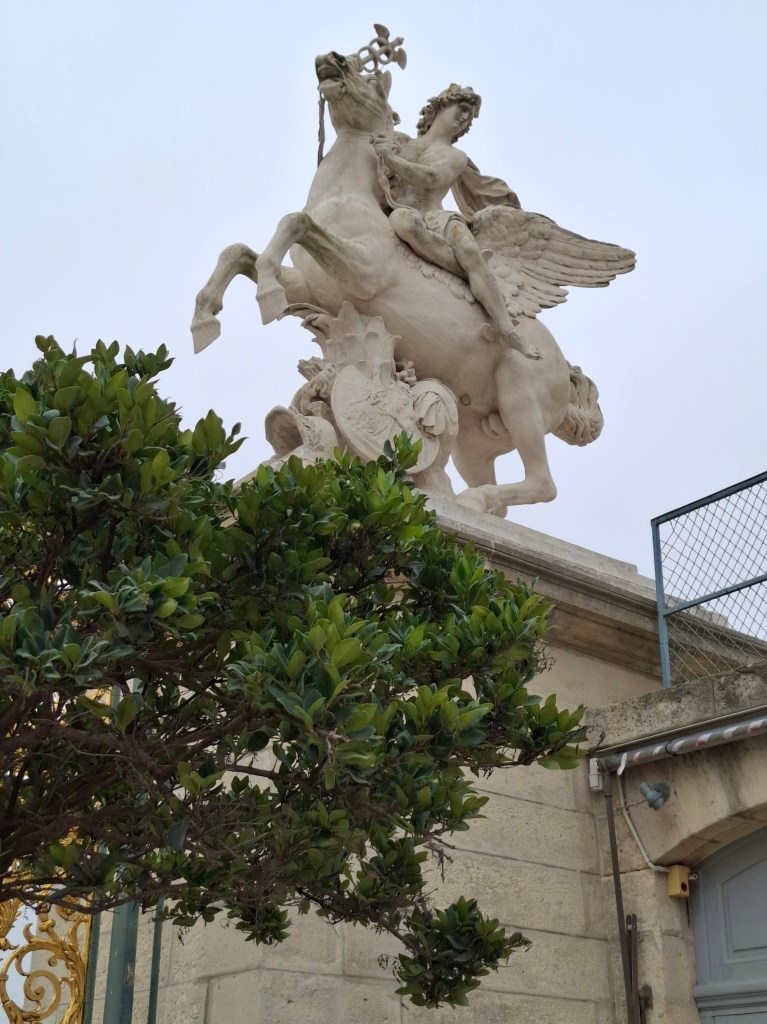
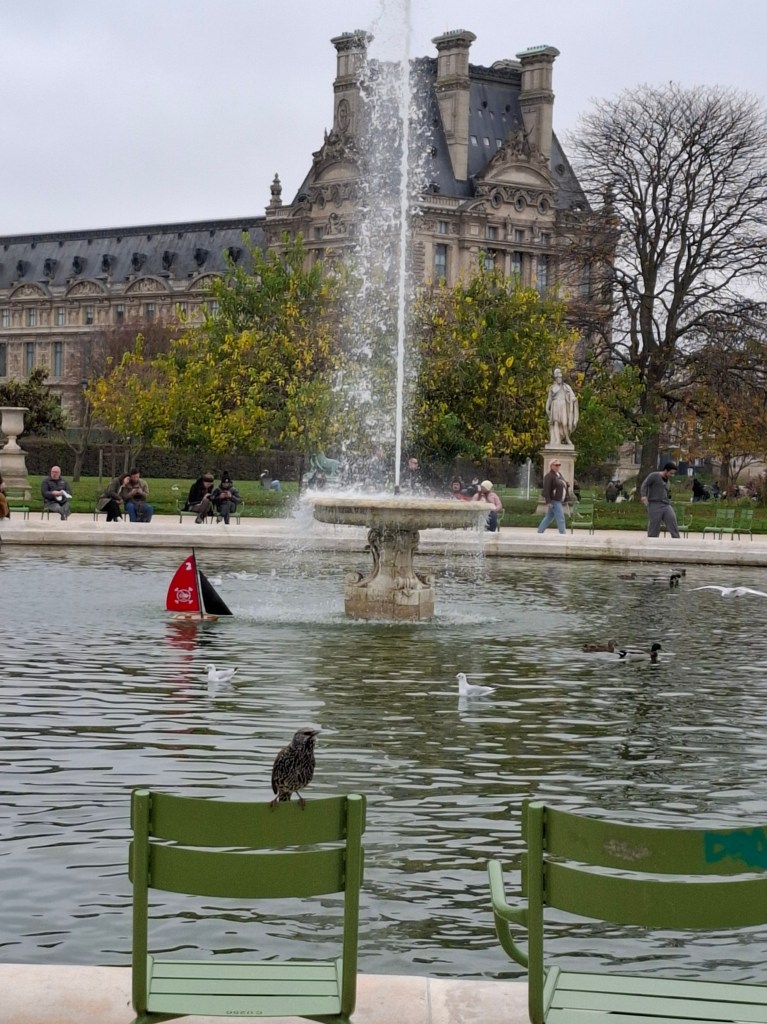
Estos maravillosos jardines ubicados en el centro de París, junto al río Sena fueron creados por Catalina de Médicis en 1564. Eran los jardines del palacio de las Tulerías, que llevaba ese nombre porque en ese sitio se encontraban tejas, “tuile” en francés. 

Fue abierto al público en 1667 y luego de la Revolución Francesa se transformó en un parque público.

Es el jardín más importante y antiguo y fue declarado Monumento Histórico en 1975 y Patrimonio de la Humanidad en 1975.

Su superficie es de 25,5 hectáreas y actualmente es propiedad del Museo del Louvre.

Este jardín suele albergar el Mercado de Navidad, la Feria de Arte Contemporáneo, la Feria de Verano y desfiles durante la Semana de la Moda; sin olvidar el lugar preponderante que ocupó durante los Juegos Olímpicos de 2024.

Viajando en el tiempo, cuando Enrique III huyó de Paris, este maravilloso jardín quedó en el olvido. Fue restaurado por Claude Mollet, jardinero de Henri IV, quien construyó un paseo cubierto a lo largo del jardín para cultivar gusanos de seda.

El hijo del rey Henri IV, Luis XIII, heredó este jardín a los 9 años. Lo usaba para cazar y le ofreció una porción a Monsieur Renard quien construyó un pabellón floral y un pabellón cabaret, lugar de recreo para la buena sociedad y de placer para la nobleza.

Cuando asciende al trono Luis XIV, pone su propio orden, sus arquitectos terminan el palacio de las Tulerias  y en 1664 Colbert, superintendente de edificios del rey le encarga al arquitecto paisajista André Le Nôtre el rediseño del jardín. El jardinero lo concibió como un jardín a la francesa, priorizando la simetría, el orden y las perspectivas a lo largo. En 1667 planeó  como continuación del jardín de las Tulerias, una gran avenida con dos hileras de árboles a cada lado, dicha avenida hoy la conocemos como los Campos Eliseos.

Las Tulerias volvieron a abrirse al público a pedido del escritor Charles Perrault, autor de la Bella Durmiente, quien convenció a Colbert que los parisinos necesitaban el jardín.

Cuando murió el rey Luis XIV, el jardín fue nuevamente abandonado y este abandono duró 40 años.

En 1794 el gobierno posterior a la revolución asignó la renovación al pintor Jacques-Louis David, pero su proyecto nunca se concretó. Luego llegó Napoléon quien mejoró el jardín y mandó construir una nueva calle paralela en memoria a su victoria de 1797, dicha calle es la actual rue de Rivoli. Cuando cayó el emperador la Tulerias fue un campamento de soldador austríacos y rusos. 

Con la llegada de Napoleón II se construyeron dos pabellones gemelos.

A finales del siglo XIX el jardín se llenó de entretenimientos, de acróbatas, de teatros.

En la Gran Guerra fue huerto y almacén.

Con el correr de los años se intentó devolverle a las Tulerias el espíritu del jardín francés, con simetría, esculturas, laberintos y estantes. Así es como podemos verlo hoy si nos animamos y damos un paseo por este bello jardín.https://youtu.be/yD8DR4GOuAI?si=w4q4U2LQi7_NqXpO

Jardin des Tuileries

Ces jardins magnifiques, situés au cœur de Paris en bord de Seine, furent créés par Catherine de Médicis en 1564. Ils étaient à l’origine rattachés au palais des Tuileries, nommé ainsi en référence aux tuiles qui y étaient autrefois fabriquées.

Ouverts au public en 1667, ils devinrent un parc public après la Révolution française.
Plus ancien et plus important jardin de la ville, il fut classé monument historique en 1975 et inscrit au patrimoine mondial la même année.
S’étendant sur 25,5 hectares, le jardin appartient aujourd’hui au musée du Louvre.
Il accueille fréquemment des événements tels que le marché de Noël, la foire d’art contemporain, la fête foraine estivale et des défilés de la Fashion Week, sans oublier le rôle majeur qu’il a joué lors des Jeux olympiques de 2024.


Historiquement, le jardin tomba à l’abandon après la fuite d’Henri III hors de Paris. Il fut ensuite restauré par Claude Mollet, jardinier d’Henri IV, qui y fit aménager une allée couverte destinée à l’élevage de vers à soie.
Le fils d’Henri IV, Louis XIII, hérita du jardin à l’âge de neuf ans. Il utilisait le domaine pour la chasse et en céda une partie à Monsieur Renard ; ce dernier y fit construire un pavillon des fleurs et un pavillon-cabaret, lieux de divertissement prisés de la haute société et de la noblesse.


À son avènement, Louis XIV imposa sa propre vision : ses architectes achevèrent le palais des Tuileries et, en 1664, Colbert — surintendant des Bâtiments du roi — chargea le paysagiste André Le Nôtre de redessiner le jardin. Le Nôtre le conçut selon les canons du jardin à la française, privilégiant la symétrie, l’ordre et les longues perspectives. En 1667, il projeta une grande avenue bordée de deux rangées d’arbres de part et d’autre, dans le prolongement des jardins des Tuileries : l’avenue que nous connaissons aujourd’hui sous le nom de Champs-Élysées.

Les Tuileries rouvrirent au public à la demande de l’écrivain Charles Perrault — auteur de *La Belle dormant au bois * — qui convainquit Colbert de l’importance de ce jardin pour les Parisiens.
À la mort de Louis XIV, le jardin fut de nouveau délaissé, un abandon qui dura quarante ans.

En 1794, le gouvernement issu de la Révolution, chargea le peintre Jacques-Louis David de réaménager le jardin, mais son projet ne vit jamais le jour. Plus tard, Napoléon fit embellir le jardin et ordonna la création d’une nouvelle rue parallèle pour commémorer sa victoire de 1797 ; il s’agit de l’actuelle rue de Rivoli. Après la chute de l’Empereur, les Tuileries servirent de campement aux soldats autrichiens et russes.


Sous le règne de Napoléon II, deux pavillons jumeaux furent construits.


À la fin du XIXe siècle, le jardin s’animait de spectacles, d’acrobates et de théâtres.
Durant la Grande Guerre, il fut transformé en potager et en lieu de stockage.


Au fil des ans, des efforts furent entrepris pour restituer aux Tuileries l’esprit du jardin à la française, caractérisé par sa symétrie, ses sculptures, ses labyrinthes et ses parterres. C’est sous cet aspect qu’il se présente aujourd’hui à qui choisit de s’y promener.

Tuileries Garden

These magnificent gardens, located in the center of Paris alongside the Seine River, were created by Catherine de’ Medici in 1564. They originally served the Tuileries Palace—named after the *tuiles* (roof tiles) that were once manufactured on the site. The garden opened to the public in 1667 and became a public park following the French Revolution. It is the oldest and most significant garden in the city; it was designated a Historic Monument in 1975 and a World Heritage Site that same year. Spanning 25.5 hectares, the garden is currently owned by the Louvre Museum. It frequently hosts the Christmas Market, the Contemporary Art Fair, the Summer Fair, and Fashion Week shows—not to mention the prominent role it played during the 2024 Olympic Games. Looking back in time, the garden fell into neglect after Henry III fled Paris. It was later restored by Claude Mollet—gardener to Henry IV—who built a covered walkway through the grounds to cultivate silkworms. Henry IV’s son, Louis XIII, inherited the garden at the age of nine. He used the grounds for hunting and granted a section to Monsieur Renard, who built a floral pavilion and a cabaret pavilion—spots for high society to socialize and the nobility to enjoy leisure. When Louis XIV ascended the throne, he imposed his own vision; his architects completed the Tuileries Palace, and in 1664, Colbert—the Superintendent of Royal Buildings—commissioned landscape architect André Le Nôtre to redesign the garden. Le Nôtre conceived it in the *jardin à la française* (French formal garden) style, prioritizing symmetry, order, and long, sweeping perspectives. In 1667, he planned a grand avenue lined with two rows of trees on each side as an extension of the Tuileries Garden; today, we know this avenue as the Champs-Élysées. The Tuileries reopened to the public at the behest of the writer Charles Perrault—author of *Sleeping Beauty*—who convinced Colbert that Parisians needed the garden. Upon the death of King Louis XIV, the garden was once again abandoned, a state of neglect that lasted for 40 years.

In 1794, the post-revolutionary government commissioned the painter Jacques-Louis David to redesign the area, but his project never materialized. Later, Napoleon improved the garden and ordered the construction of a new parallel street to commemorate his 1797 victory; this street is the present-day Rue de Rivoli. After the Emperor’s fall, the Tuileries served as a camp for Austrian and Russian soldiers. With the arrival of Napoleon II, two twin pavilions were built. By the late 19th century, the garden was filled with entertainment, acrobats, and theaters. During the Great War, it served as a vegetable garden and a storage depot. Over the years, attempts were made to restore the Tuileries to the spirit of the French garden, featuring symmetry, sculptures, labyrinths, and parterres. This is how we see it today if we decide to take a stroll through this beautiful garden.