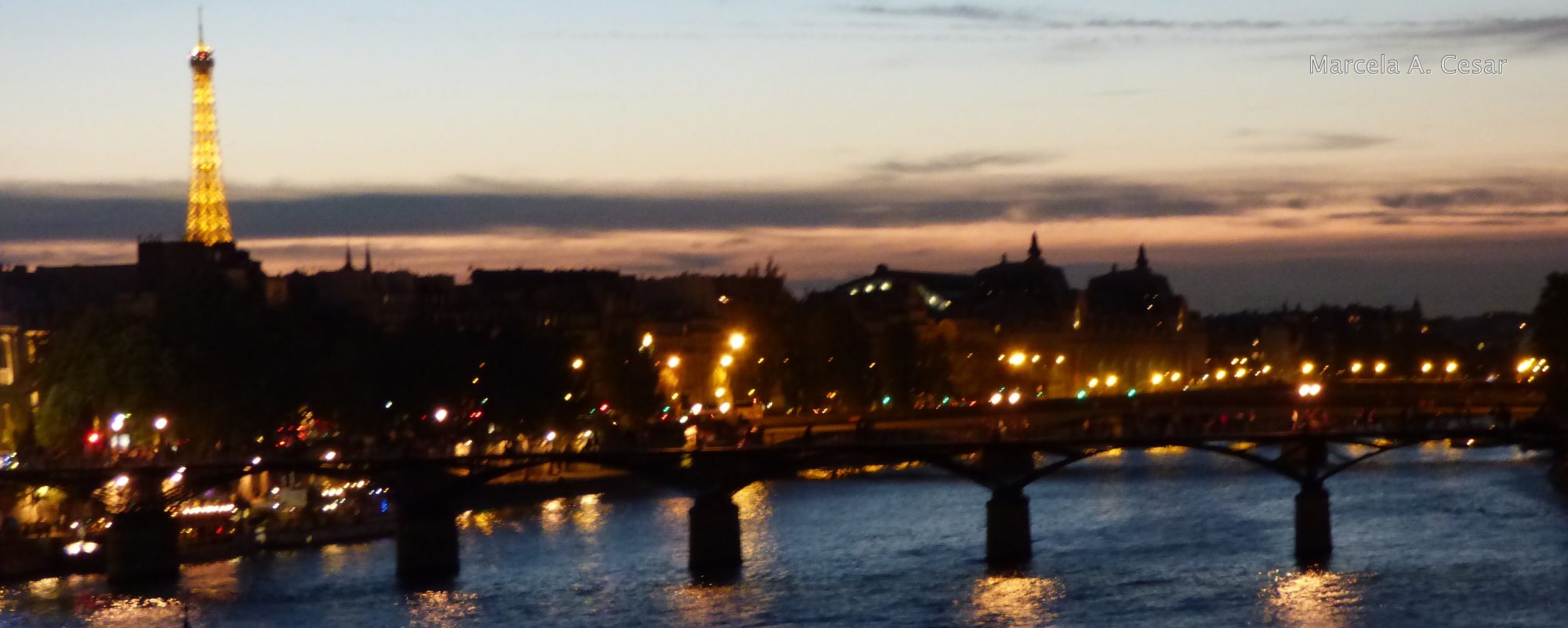
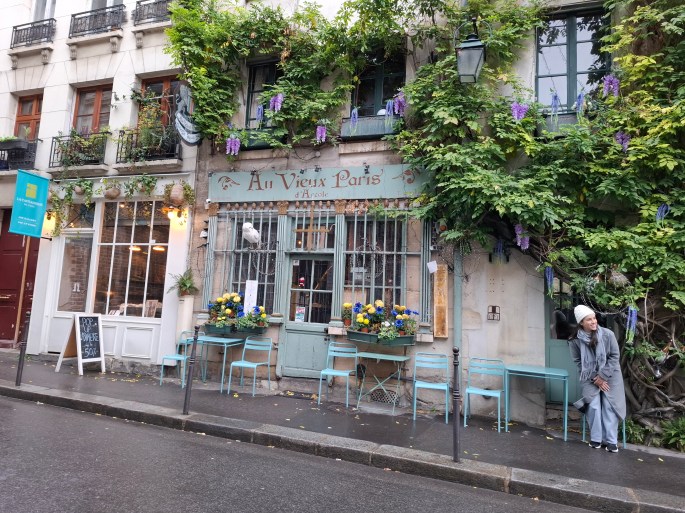
En esta hermosa isla con forma de cuna, en medio del río Sena, se instaló la tribu gala Parisii en el 250 antes de Cristo. Se denominaba “cité” porque tenía los límites fortificados. Era una región rica en pescado y de fácil acceso a ambos lados del río (hoy rive droite y gauche) por lo angosto que es el Sena allí. En ese momento la isla tenía una superficie de 9 hectáreas, hoy son 22,5 hectáreas y era una zona pantanosa e inundable, pero en esa época esa pequeña isla era París entero.
En el año 52 AC, Julio César vence al líder galo Vercingétorix y conquista la Galia, pasando esta isla a llamarse Lutece. Los galos siguieron habitando la isla y los romanos se instalaron en la orilla izquierda donde comenzaron a construir calles rectas y foros.
Las invasiones bárbaras obligaron a los habitantes de Lutecia a refugiarse en la Cité ya que desde allí era más fácil defenderse.
Es en este momento donde aparece un personaje importante para la historia de la Cité: Santa Genoveva. Esta monja proveniente de Nanterre permanece en la isla cuando Atila, el rey de los bárbaros se dirige hacia allí. Genoveva convence a los hombres de no huir, de resistir rezando a Dios. Y ocurrió el milagro, Atila abandonó París. https://youtu.be/9p2PYh8eWvo?si=JFvX6EuAcD40ynsy
Cuando las invasiones bárbaras finalizan comienza una guerra civil entre los partidarios de Roma y los partidarios de los Francos, quienes eran liderados por Childeric. Este gana terreno en la Galia del Norte y sitia la Ciré durante diez años. Cuando muere Childeric su hijo Clovis negocia con Genoveva, ella le promete aliarse y ayudarlos con la condición que se convierta al cristianismo. Clovis así lo hace, y luego de su bautismo en Reims entra en París, y la nombra capital del reino.
Santa Genoveva hoy es patrona de París y es muy venerada en toda Francia.
En esa época en la isla había templos romanos que fueron rápidamente reemplazados por templos cristianos, así se construyeron varias iglesias y dos monasterios femeninos.
En el 877 se erigieron dos torres, le Petit y le Grand Chatelet para proteger el acceso a los puentes.
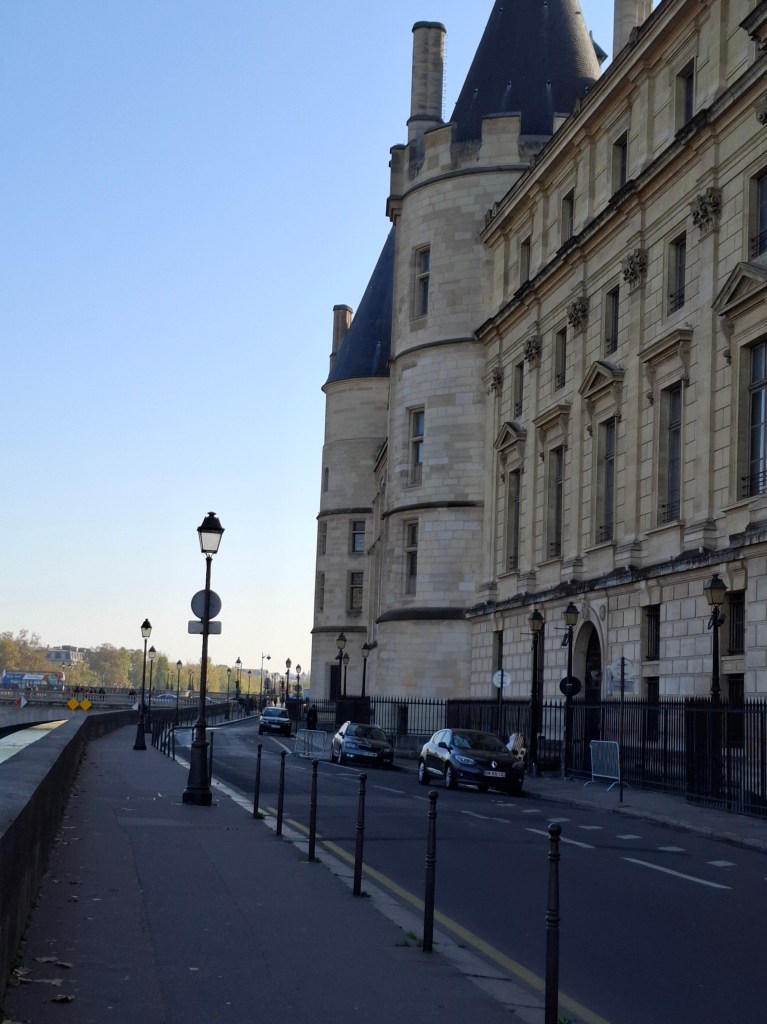
En 1112 el rey Luis VI se instaló en el Palacio de la Cité, dentro del cual tiempo después el rey Luis IX mandó construir la Sainte Chapelle para albergar la Corona de Espina de Cristo y las Reliquias de la Pasión.
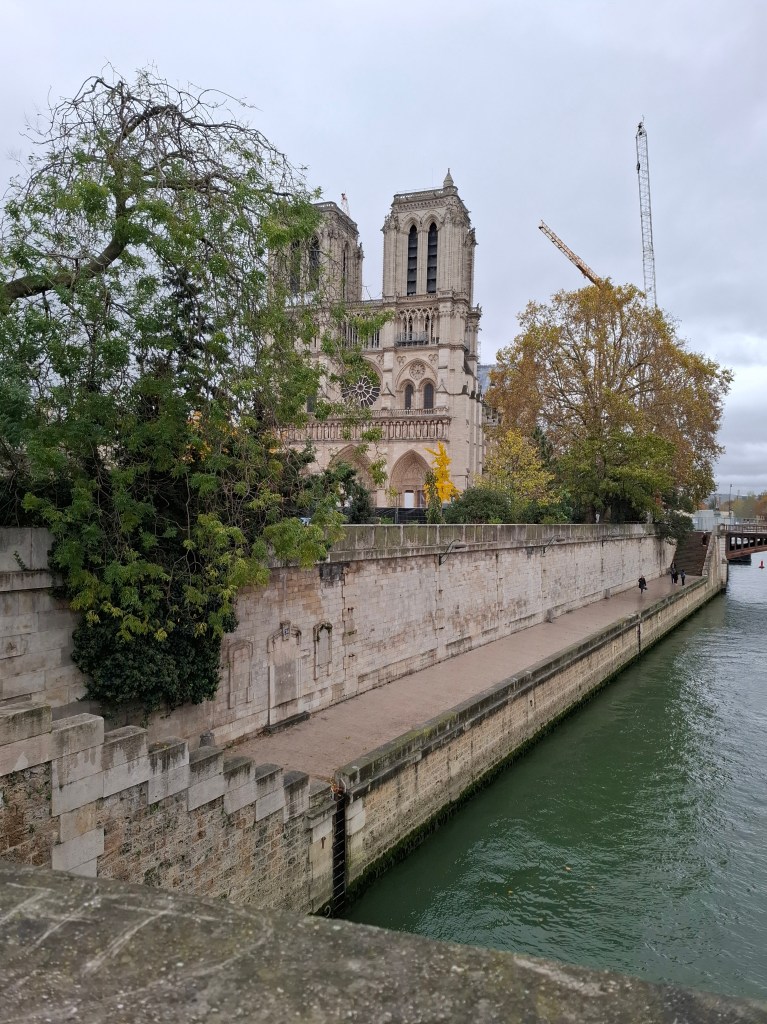
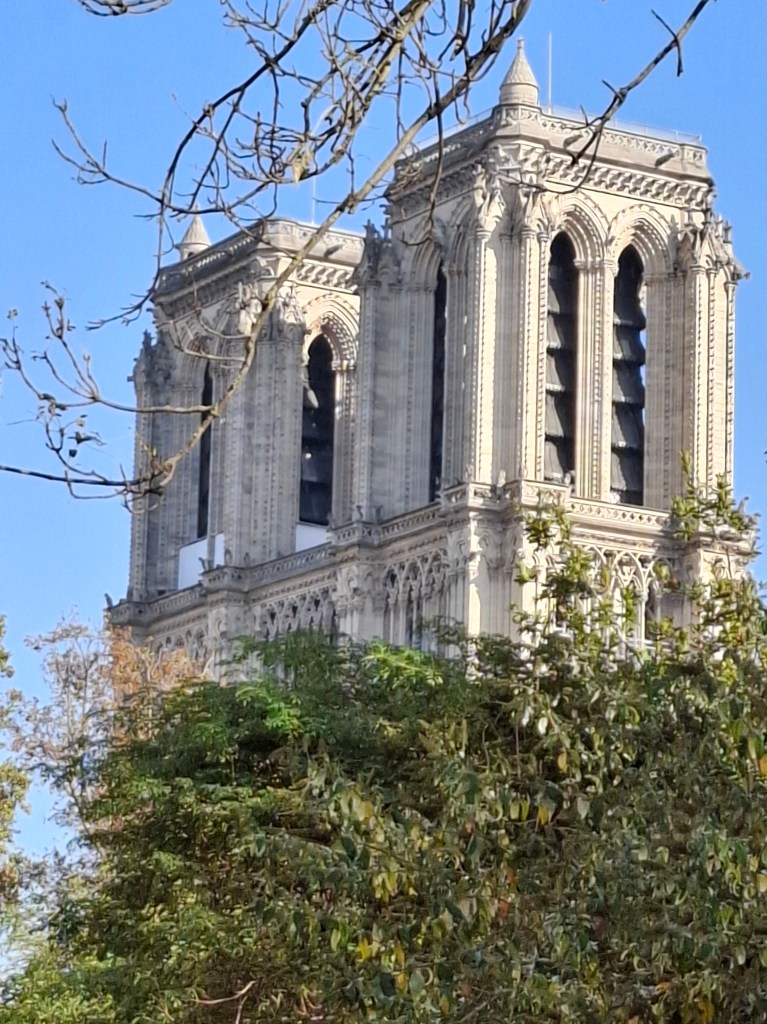
Con el correr de los años se construyeron casas, puentes, el Hotel Dieu que es el hospital más viejo de París, los Tribunales de Comercio, la Prefectura de Policía y por supuesto la maravillosa Catedral de Notre Dame.https://youtu.be/WOmtgEPa90Q?si=B-FX2eDLtPQlSVUV
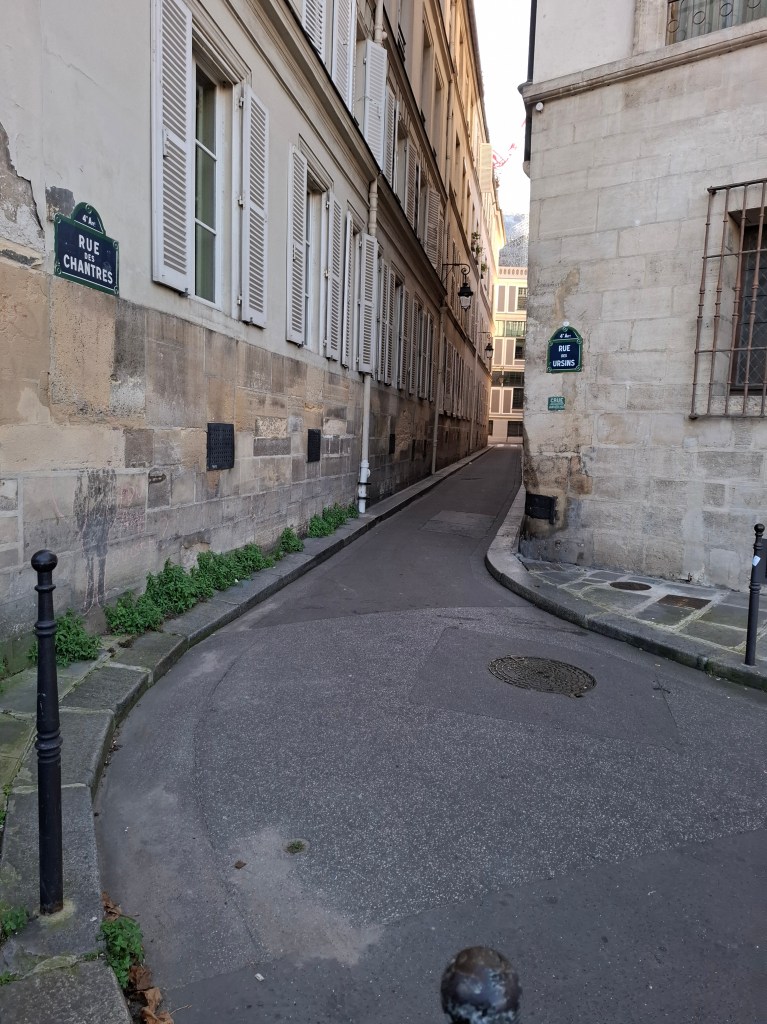
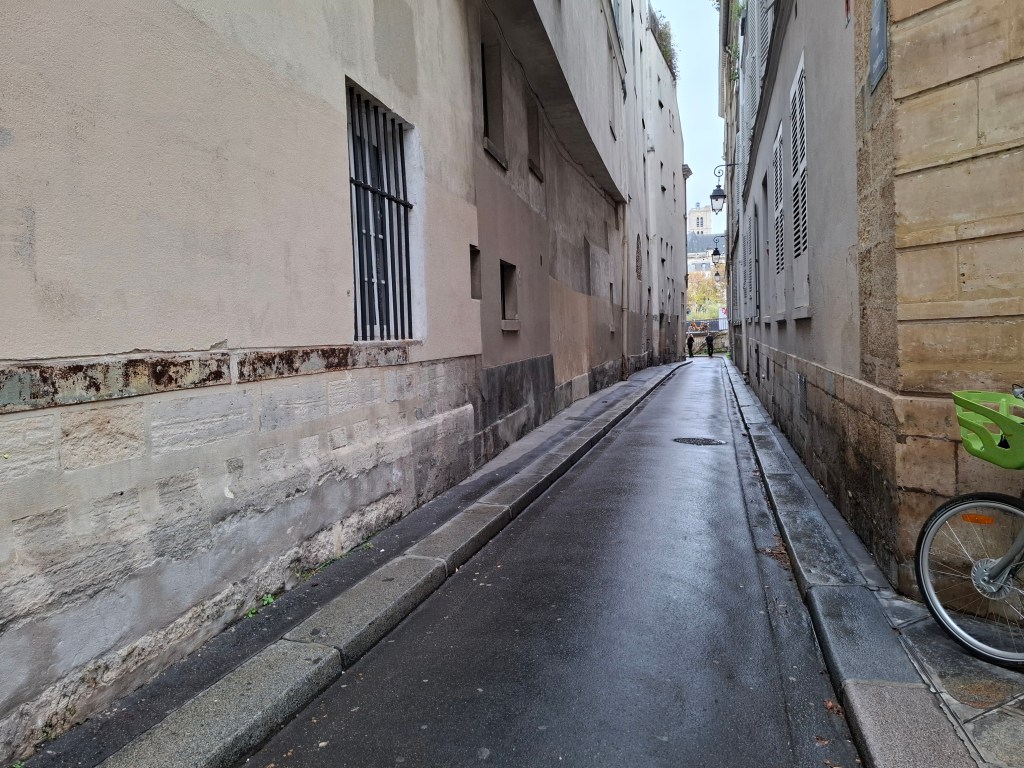
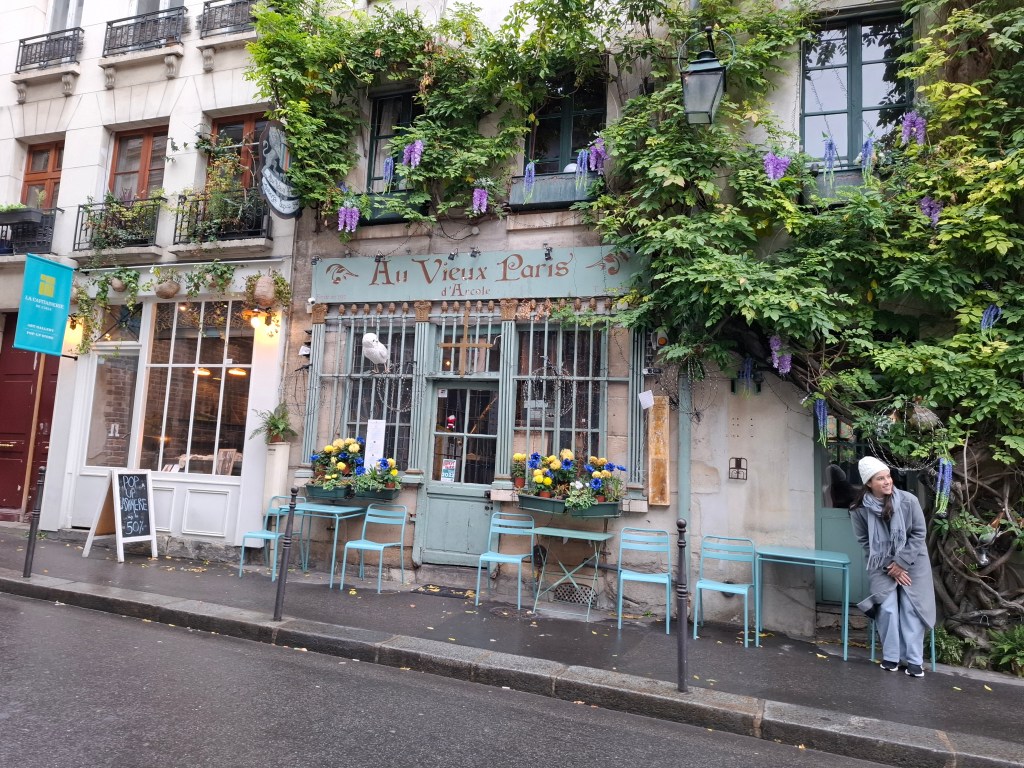
Y aunque poco queda en la Cité de esas calles insalubres y retorcidas de la Edad Media, todavía se respira un aire misterioso en esta isla que nos transporta en el tiempo
L’Ile de la Cité: le berceau de Paris
La tribu gauloise des Parisii s’est installée sur cette magnifique île en forme de berceau, située au milieu de la Seine, vers 250 av. J.-C. On l’appelait la « Cité » car elle était entourée de fortifications. Le site regorgeait de poissons et était facilement accessible depuis les deux rives — connues aujourd’hui sous les noms de Rive droite et Rive gauche — en raison de l’étroitesse de la Seine à cet endroit. À l’époque, l’île couvrait une superficie de 9 hectares (contre 22,5 hectares aujourd’hui) et constituait une zone marécageuse sujette aux inondations ; pourtant, elle représentait alors la totalité de Paris.
En 52 av. J.-C., Jules César vainquit le chef gaulois Vercingétorix et conquit la Gaule ; l’île prit alors le nom de Lutèce. Les Gaulois continuèrent à y habiter, tandis que les Romains s’installèrent sur la Rive gauche, où ils entreprirent de construire des rues rectilignes et des forums.
Les invasions barbares contraignirent les habitants de Lutèce à se réfugier dans la Cité, plus facile à défendre.
C’est à cette époque qu’émergea une figure clé de l’histoire de la Cité : sainte Geneviève. Religieuse originaire de Nanterre, elle resta sur l’île alors qu’Attila, le roi barbare, marchait sur elle. Geneviève persuada les hommes de ne pas fuir, mais de tenir bon et de prier Dieu. Un miracle se produisit : Attila renonça à s’emparer de Paris.
Une fois les invasions barbares terminées, une guerre civile éclata entre les partisans de Rome et ceux des Francs, menés par Childéric. Childéric gagna du terrain dans le nord de la Gaule et assiégea la Cité pendant dix ans. À la mort de Childéric, son fils Clovis négocia avec Geneviève ; elle promit de s’allier à eux et de les soutenir à condition qu’il se convertisse au christianisme. Clovis accepta et, après son baptême à Reims, il entra dans Paris et en fit la capitale du royaume.
Aujourd’hui, sainte Geneviève est la patronne de Paris et elle est profondément vénérée dans toute la France.
À cette époque, l’île abritait des temples romains qui furent rapidement remplacés par des édifices chrétiens ; plusieurs églises et deux couvents furent ainsi construits.
En 877, deux tours – le Petit Châtelet et le Grand Châtelet – furent érigées pour garder les accès aux ponts.
En 1112, le roi Louis VI s’installa au Palais de la Cité ; plus tard, le roi Louis IX commanda la construction de la Sainte-Chapelle au sein du complexe pour abriter la Couronne d’épines du Christ et les reliques de la Passion.
Au fil des siècles, des maisons, des ponts, l’Hôtel-Dieu (le plus ancien hôpital de Paris), les tribunaux de commerce, la préfecture de police et – bien sûr – la magnifique cathédrale Notre-Dame furent construits.
Et bien que peu de choses subsistent sur l’Île de la Cité de ces rues médiévales insalubres et sinueuses, une atmosphère mystérieuse plane encore sur l’île, nous transportant dans le passé.